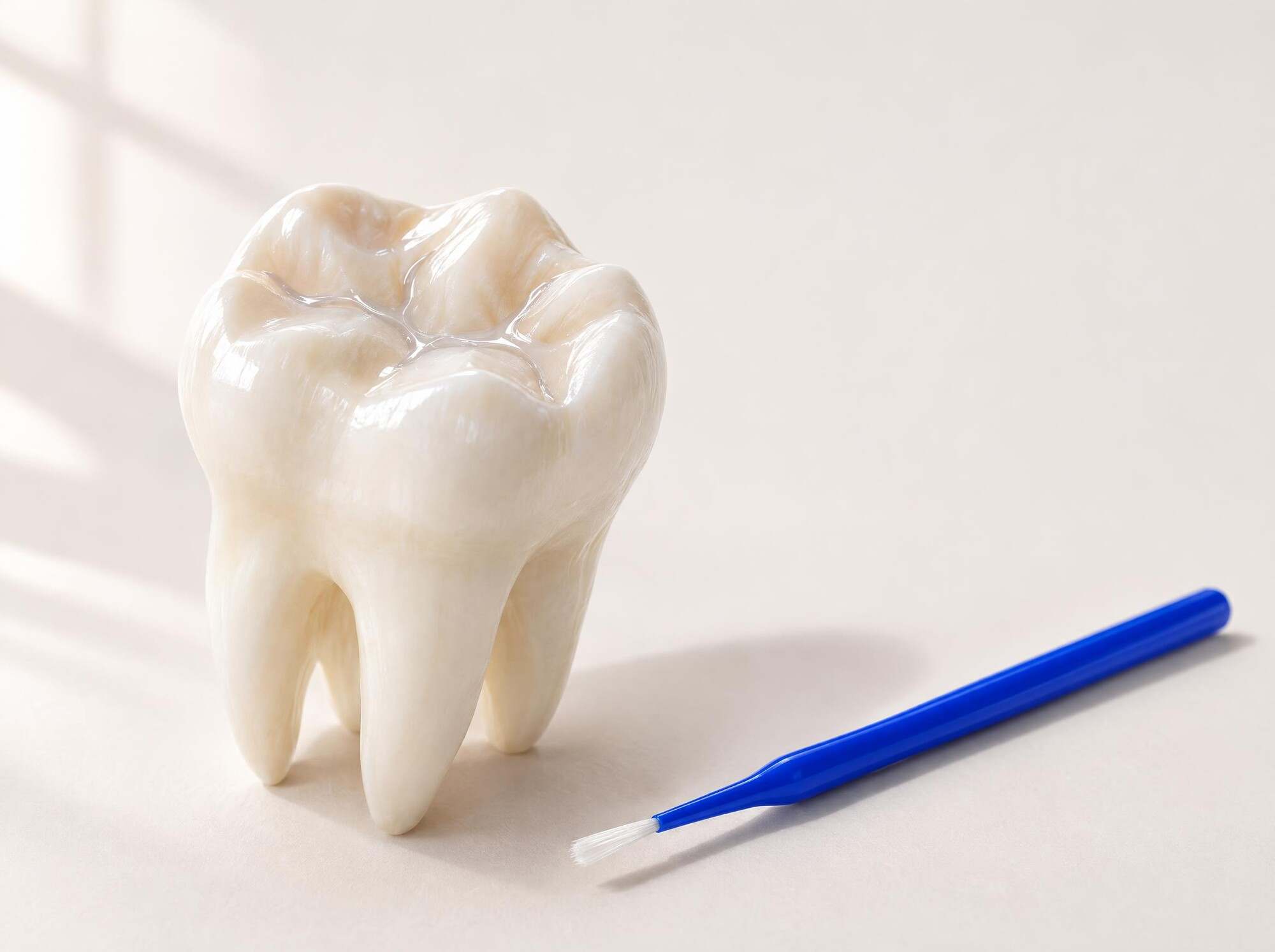
Who dental sealants are for
Sealants are most often placed on the permanent molars of children and teens soon after those teeth come in. Adults with deep grooves and no fillings in those teeth can benefit as well.
Even careful brushing can miss the narrow grooves on back teeth, which is why decay so often starts there.
How it works, step by step
- We clean and dry the tooth.
- We prepare the chewing surface so the sealant will bond.
- We paint the sealant into the grooves.
- We harden it with a curing light and check your bite.
What to expect at our Hanford office
Placing a sealant is quick and comfortable. There is no drilling and no numbing. Each tooth takes only a few minutes, and your child can eat right afterward.
Benefits
- Protects the grooves where most childhood cavities begin
- No drilling or anesthetic required
- Takes a few minutes per tooth
- Costs far less than treating a cavity
Aftercare
No special care is needed. Brush and floss as usual.
We check sealants at each exam and can touch up or replace any that have worn or chipped.
Cost and insurance
Many dental plans cover sealants for children on permanent molars. We will verify your coverage.
Sealants protect chewing surfaces only. Brushing, flossing and fluoride are still needed to protect the rest of the tooth.
You can pay your bill online, and our new patient page explains what to bring to your first visit.
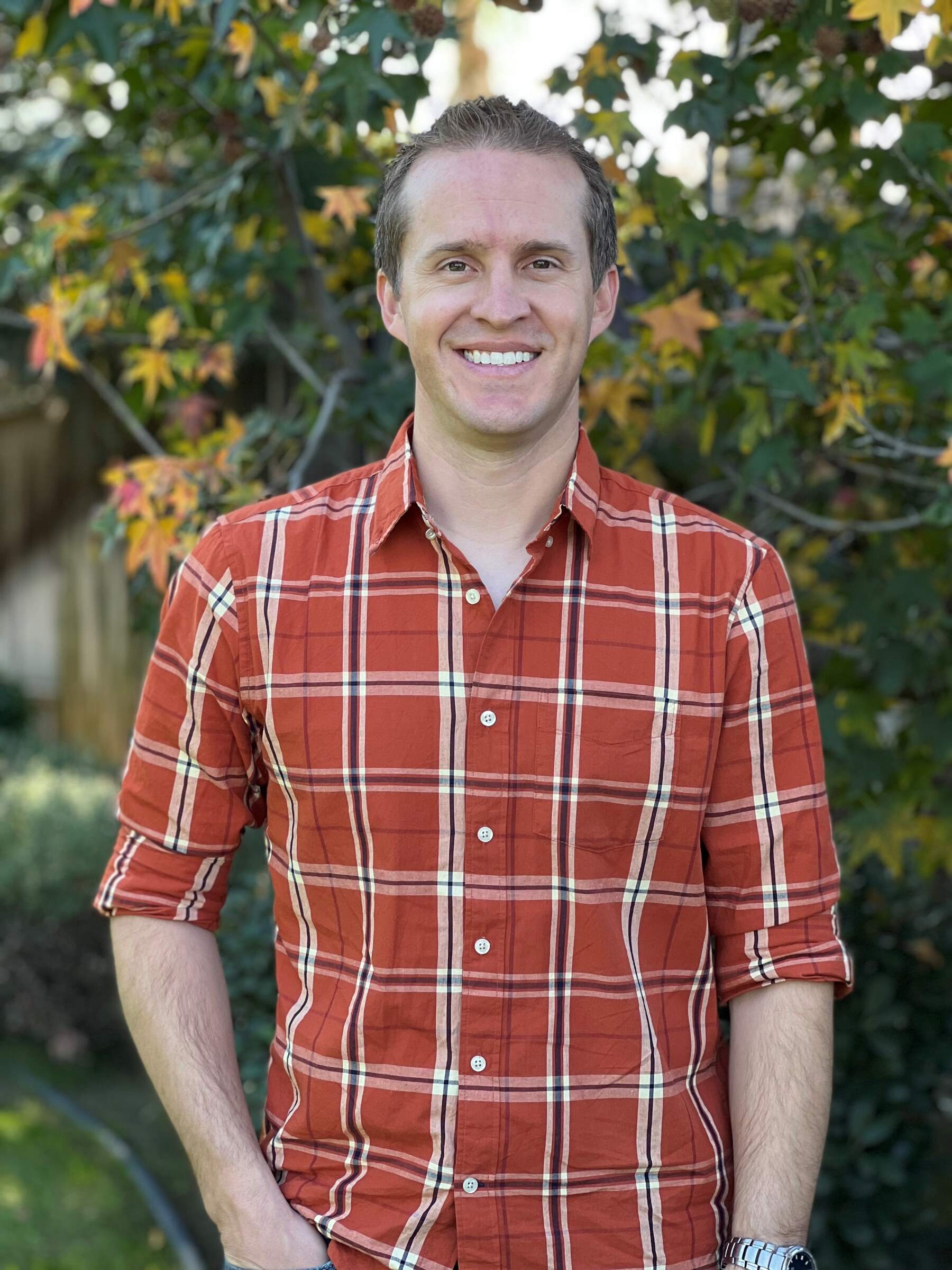
Your dentist: Daniel W. Unzicker, DDS
Dr. Daniel Unzicker, DDS, provides dental sealants at our Hanford office. He is a general dentist who was born and raised in Hanford, graduated with high honors from the University of the Pacific School of Dentistry in 2012 and completed a general practice residency at Los Angeles County + USC Medical Center.
Page last updated November 10, 2026. This page is general information, not a diagnosis or treatment recommendation. If you have significant facial swelling, difficulty breathing or swallowing, uncontrolled bleeding, or trauma to the head or jaw, call 911 or go to the nearest emergency room.