Mon, Tue, Thu, Fri 8 to 5 912 North Douty Street #B, Hanford

Tooth extractions in Hanford, CA.

A tooth extraction is the removal of a tooth from its socket. It is recommended when a tooth is too damaged or infected to be saved, or when removing it protects the health of your other teeth.

Dr. Daniel Unzicker is a general dentist, not a licensed specialist in this area of dentistry. If your situation calls for a specialist, we will tell you and help arrange the referral.

Who tooth extractions are for

There are several reasons a tooth may need to come out: decay so extensive that it puts neighboring teeth at risk, an infection, a baby tooth whose roots are blocking the permanent tooth, making room for orthodontic treatment, or problems with a wisdom tooth.

We remove a tooth only after looking at whether it can reasonably be saved. If it can, we will tell you.

How it works, step by step

  1. We review your health history and medications and take an X-ray of the tooth.
  2. We numb the area completely.
  3. We gently loosen the tooth and remove it.
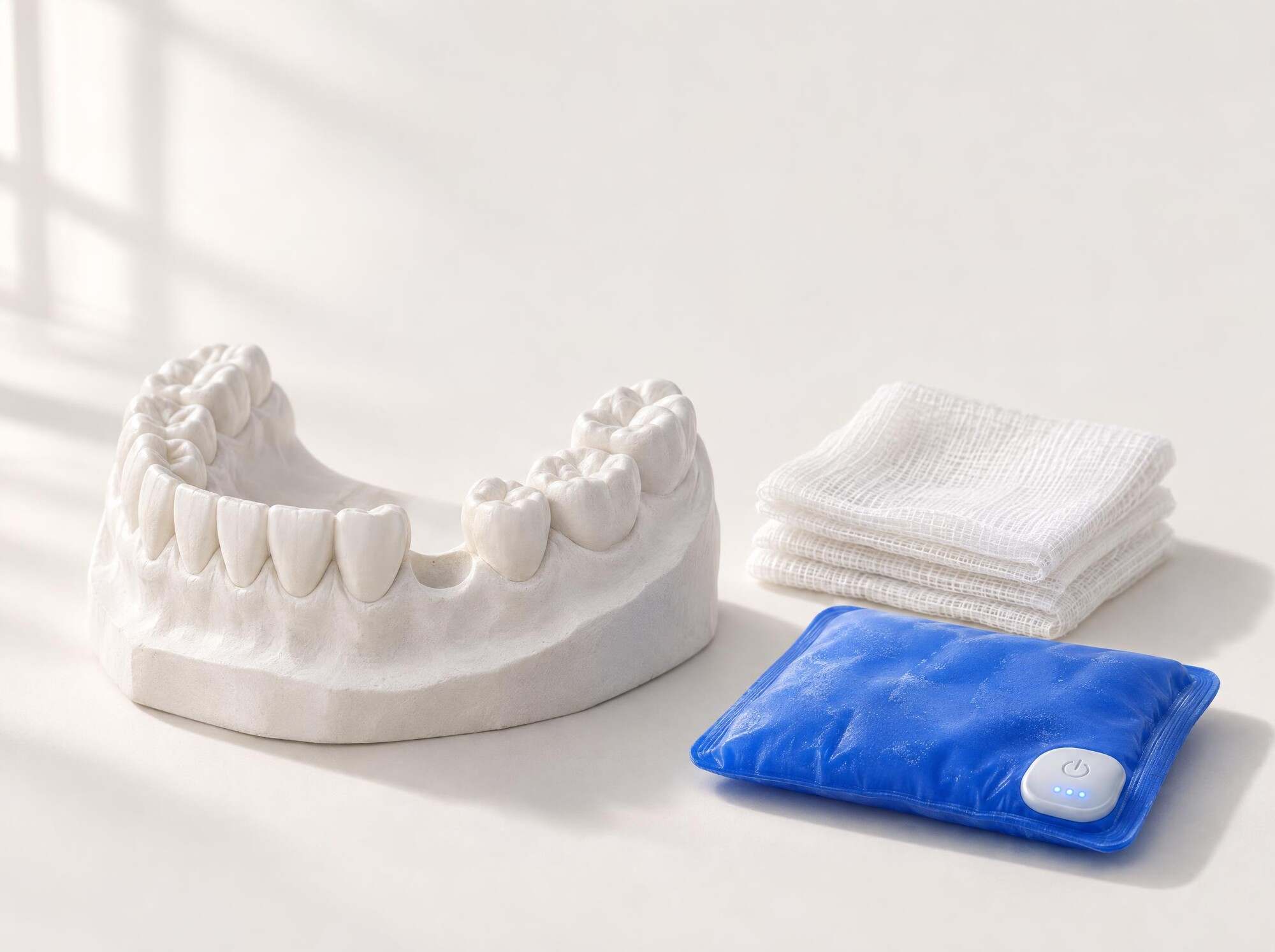
  4. We place gauze to control bleeding and go over home care instructions with you.
  5. We talk about options for replacing the tooth, if replacement is needed.

What to expect at our Hanford office

You will feel pressure during an extraction, but you should not feel sharp pain. Most simple extractions are finished in a short visit. Plan to rest for the remainder of the day.

Dr. Daniel Unzicker is a general dentist who performs extractions. Some situations, such as certain impacted wisdom teeth or patients with complex medical needs, are best handled by an oral surgeon. If we recommend a referral, we will explain why and help set it up.

Benefits

  • Removes a source of pain and infection
  • Protects neighboring teeth from spreading decay
  • Clears the way for a permanent tooth or orthodontic treatment
  • Allows a failing tooth to be replaced with something stable

Aftercare

Bite gently on gauze as directed, and avoid rinsing, spitting forcefully, smoking or drinking through a straw for the first day so the blood clot stays in place.

Eat soft foods, keep your head elevated and use cold packs for swelling. Call us if pain increases after the second or third day, or if bleeding does not slow.

Cost and insurance

Cost depends on the tooth and how involved the removal is. We provide an estimate first, and many dental plans cover a portion.

A removed tooth, other than a wisdom tooth, usually should be replaced. Options include a bridge, an implant-supported crown or a partial denture.

You can pay your bill online, and our new patient page explains what to bring to your first visit.

Dr. Daniel Unzicker

Your dentist: Daniel W. Unzicker, DDS

Dr. Daniel Unzicker, DDS, provides tooth extractions at our Hanford office. He is a general dentist who was born and raised in Hanford, graduated with high honors from the University of the Pacific School of Dentistry in 2012 and completed a general practice residency at Los Angeles County + USC Medical Center.

Meet Dr. Daniel Unzicker

Page last updated November 10, 2026. This page is general information, not a diagnosis or treatment recommendation. If you have significant facial swelling, difficulty breathing or swallowing, uncontrolled bleeding, or trauma to the head or jaw, call 911 or go to the nearest emergency room.

Extractions: common questions.

Does a tooth extraction hurt?

The area is numbed first, so you should feel pressure and movement but not sharp pain. Soreness afterward is normal for a few days and is usually managed with over-the-counter medication and cold packs. We will give you written instructions.

How long is recovery after an extraction?

Most people feel close to normal within a few days. The gum tissue typically closes over in a couple of weeks, and the bone underneath continues to heal for several months. Following the home care instructions is the best way to avoid a dry socket.

Do you remove wisdom teeth?

It depends on the tooth. Wisdom teeth that have come in and are accessible can often be removed in a general dental office. Impacted or complicated wisdom teeth are frequently referred to an oral surgeon. We will take an X-ray and tell you which applies to you.

Do I have to replace an extracted tooth?

In most cases it is wise to. A gap lets neighboring teeth drift and can change your bite. A bridge, an implant with a crown, or a partial denture can fill the space. Wisdom teeth are the usual exception and do not need replacing.

What is a dry socket?

A dry socket happens when the blood clot in the extraction site is lost too early, leaving the bone exposed. It causes a throbbing ache a few days after the extraction. It is treatable, so call us if your pain gets worse instead of better.

Talk with us about tooth extractions.

Request a time online or call us. We are open Monday, Tuesday, Thursday and Friday, 8 AM to 5 PM.

Accessibility settings

Text

Text size
100%

Content

Line spacing More space between lines
Letter spacing More space between letters and words
Dyslexia-friendly font Atkinson Hyperlegible
Readable alignment Left-aligned text in shorter lines

Visual

High contrast Black, white and darker blue
Highlight links Underline and background on links
Large cursor Bigger mouse pointer
Reduce motion Stops animation and pauses video
Low saturation Softer interface colors

Navigation

Stronger focus indicator Thicker outline on the focused item
Reading guide A band that follows your pointer

These settings adjust how this site displays for you. They are saved on this device only. Read our accessibility statement.

Unzicker Dental does not run advertising pixels or analytics cookies on this website. Nothing optional loads until you choose it.

Essential Remembers these choices and your accessibility settings on this device. Always on.
Interactive map Loads map tiles from OpenStreetMap, which receives your IP address. Off by default.

The appointment request form is provided by Jotform and loads only on the appointment page, where it uses a spam check from hCaptcha and fonts from Google. More about your privacy choices.