Mon, Tue, Thu, Fri 8 to 5 912 North Douty Street #B, Hanford

Full and partial dentures in Hanford, CA.

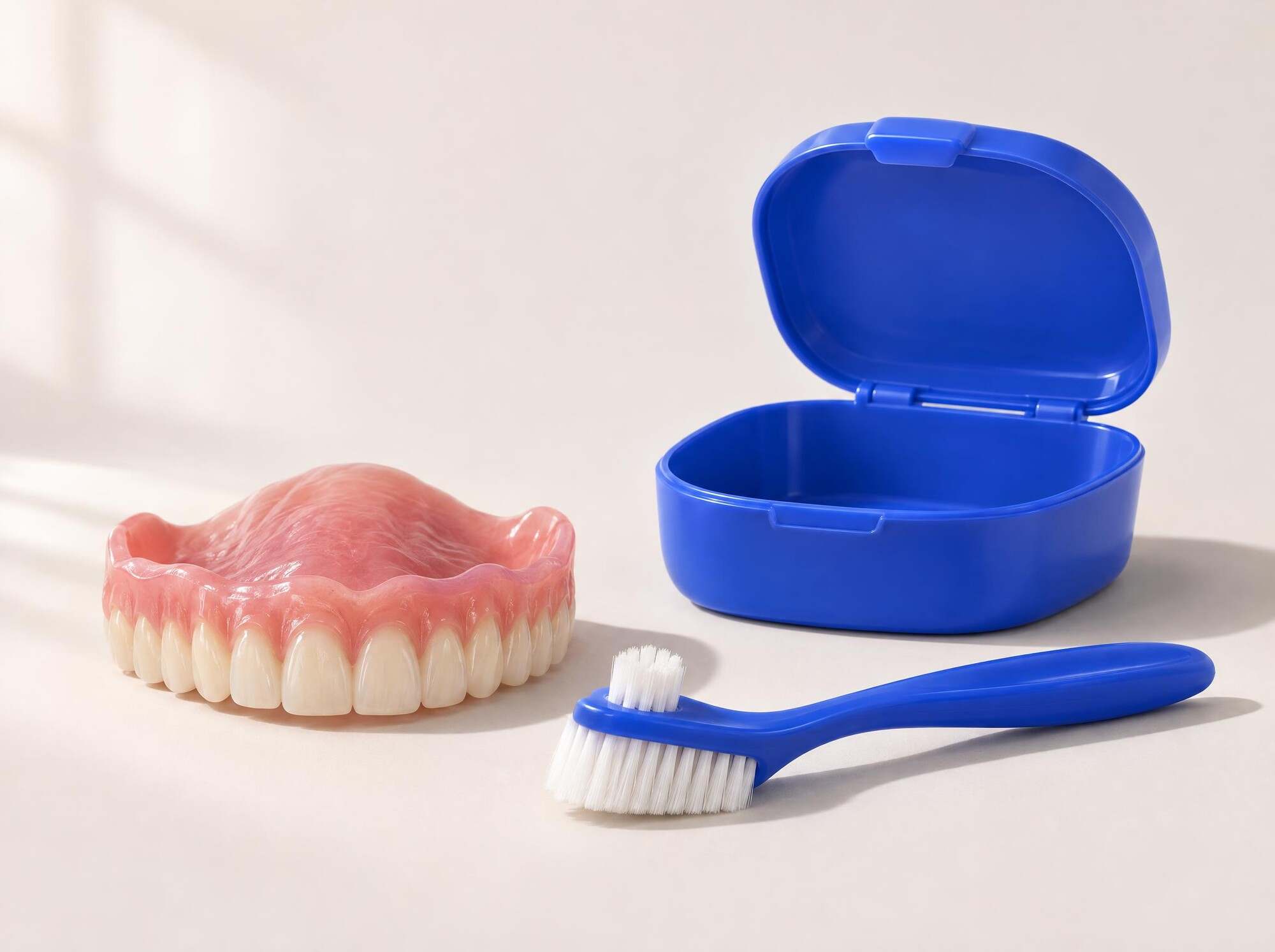
Dentures are removable replacements for missing teeth. A full denture replaces all of the natural teeth in an arch. A partial denture replaces some teeth and attaches to a metal frame that connects to your remaining natural teeth.

Dr. Daniel Unzicker is a general dentist, not a licensed specialist in this area of dentistry. If your situation calls for a specialist, we will tell you and help arrange the referral.

Who full and partial dentures are for

Full dentures are for people who have lost, or need to lose, all of the teeth in the upper arch, the lower arch or both.

Partial dentures are for people who still have healthy natural teeth and need to fill the spaces between them. A partial can also be a practical alternative when a bridge or implants are not the right fit.

How it works, step by step

  1. We examine your mouth and talk through full dentures, partials and other ways to replace missing teeth.
  2. We take impressions and measurements of your jaws and bite.
  3. You try in a trial version so we can check fit, appearance and bite together.
  4. We deliver the finished denture and adjust it for comfort.
  5. We see you for follow-up adjustments as your mouth adapts.

What to expect at our Hanford office

Getting used to a new denture takes some time. Speaking and eating feel different at first, and it is normal to need a few adjustment visits. Start with soft foods cut into small pieces and work up from there.

Your jaw and gums change over the years, so a denture that fit well when it was made can loosen. Regular checkups let us reline or adjust it and check the health of your gums and any remaining teeth.

Benefits

  • Restores the ability to chew and speak more easily
  • Supports the lips and cheeks for a fuller facial appearance
  • Replaces many teeth without surgery
  • Partials help keep remaining teeth from shifting

Aftercare

Clean your denture every day with gentle cleansing, and brush your gums, tongue and any natural teeth.

Keep the denture moist when you are not wearing it so it holds its shape, and handle it over a towel or a sink of water in case you drop it.

Cost and insurance

Cost depends on the type of denture and the materials. Many dental plans cover a portion. We provide an estimate in advance.

Dentures rest on the gums and do not stop the gradual bone loss that follows tooth loss. Dental implants can add stability for some patients. We will talk through whether that makes sense for you.

You can pay your bill online, and our new patient page explains what to bring to your first visit.
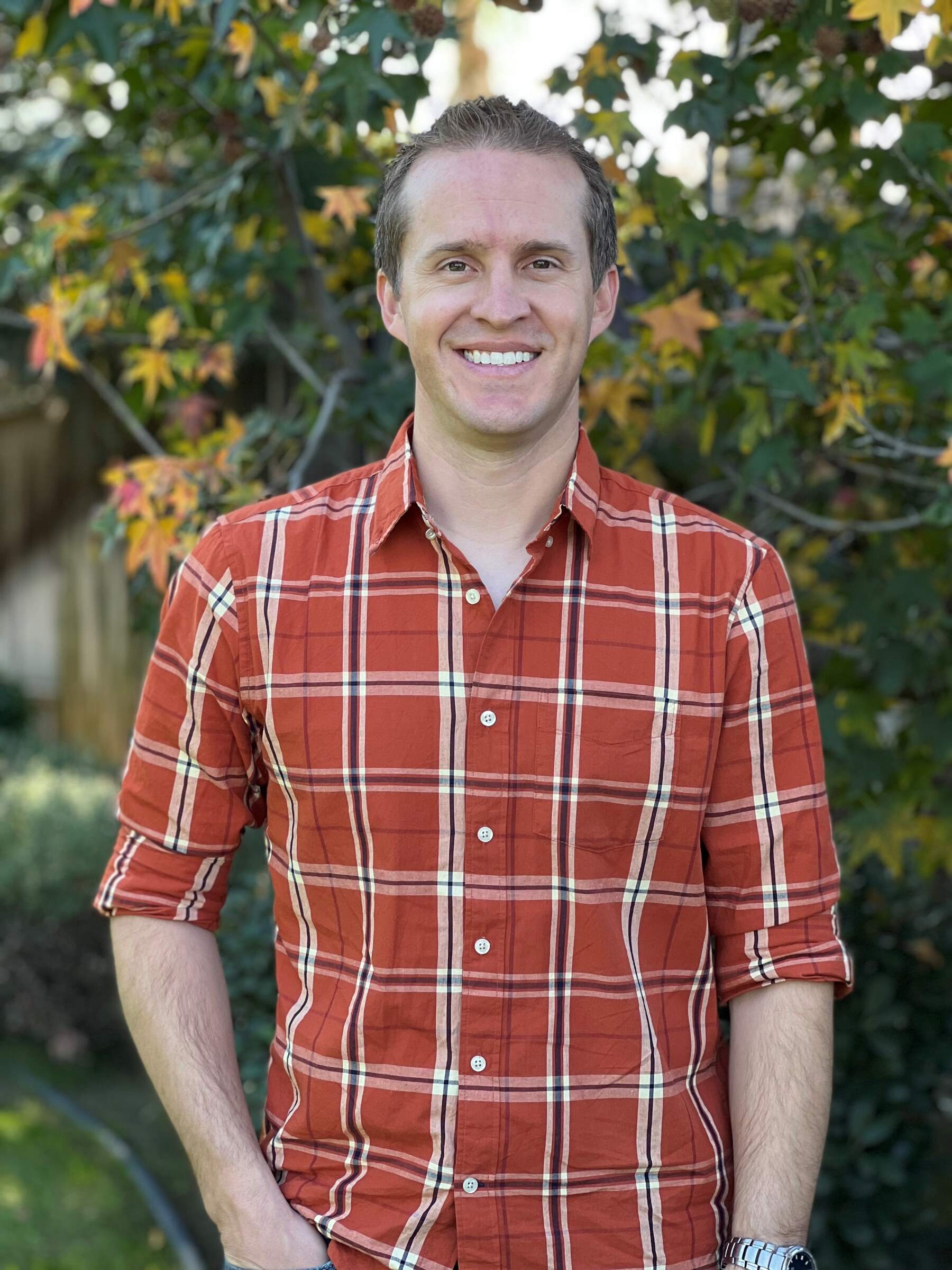
Dr. Daniel Unzicker

Your dentist: Daniel W. Unzicker, DDS

Dr. Daniel Unzicker, DDS, provides full and partial dentures at our Hanford office. He is a general dentist who was born and raised in Hanford, graduated with high honors from the University of the Pacific School of Dentistry in 2012 and completed a general practice residency at Los Angeles County + USC Medical Center.

Meet Dr. Daniel Unzicker

Page last updated November 10, 2026. This page is general information, not a diagnosis or treatment recommendation. If you have significant facial swelling, difficulty breathing or swallowing, uncontrolled bleeding, or trauma to the head or jaw, call 911 or go to the nearest emergency room.

Dentures: common questions.

How long does it take to get used to dentures?

Most people need several weeks to feel comfortable eating and speaking with a new denture. Sore spots are common early on and are fixed with small adjustments, so do not hesitate to call. Practice reading aloud and start with softer foods.

Should I sleep in my dentures?

It is generally best to take them out at night. That gives your gum tissue a rest and lets you clean the denture thoroughly. Keep it in water or a denture solution so it does not dry out and lose its shape.

How do I clean my dentures?

Brush them daily with a soft brush and a cleanser made for dentures. Regular toothpaste can be too abrasive. Rinse after meals, and also clean your gums and tongue. Never use hot water, which can warp the denture.

What is the difference between a full and a partial denture?

A full denture replaces every tooth in the upper or lower arch. A partial replaces only the missing teeth and is held in place by a frame that connects to your remaining natural teeth.

How often do dentures need to be replaced or relined?

Because the jaw changes shape over time, dentures typically need to be relined or remade periodically to keep fitting well. A loose denture can cause sore spots and make chewing harder. We check the fit at your regular visits.

Talk with us about full and partial dentures.

Request a time online or call us. We are open Monday, Tuesday, Thursday and Friday, 8 AM to 5 PM.

Accessibility settings

Text

Text size
100%

Content

Line spacing More space between lines
Letter spacing More space between letters and words
Dyslexia-friendly font Atkinson Hyperlegible
Readable alignment Left-aligned text in shorter lines

Visual

High contrast Black, white and darker blue
Highlight links Underline and background on links
Large cursor Bigger mouse pointer
Reduce motion Stops animation and pauses video
Low saturation Softer interface colors

Navigation

Stronger focus indicator Thicker outline on the focused item
Reading guide A band that follows your pointer

These settings adjust how this site displays for you. They are saved on this device only. Read our accessibility statement.

Unzicker Dental does not run advertising pixels or analytics cookies on this website. Nothing optional loads until you choose it.

Essential Remembers these choices and your accessibility settings on this device. Always on.
Interactive map Loads map tiles from OpenStreetMap, which receives your IP address. Off by default.

The appointment request form is provided by Jotform and loads only on the appointment page, where it uses a spam check from hCaptcha and fonts from Google. More about your privacy choices.